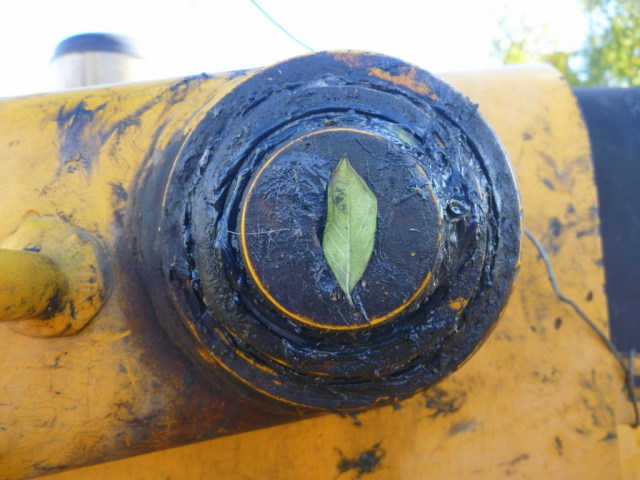
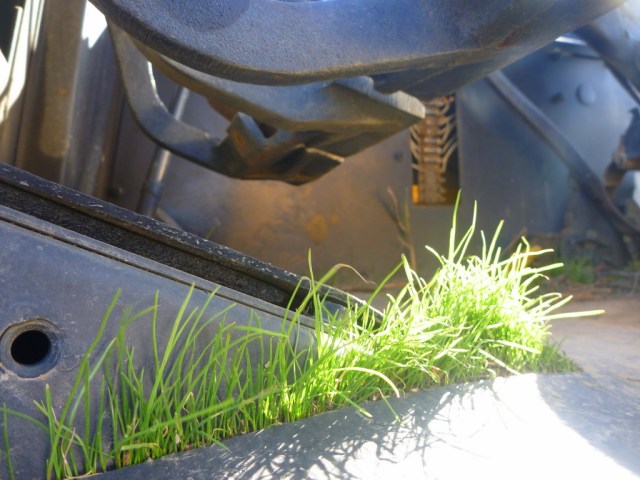
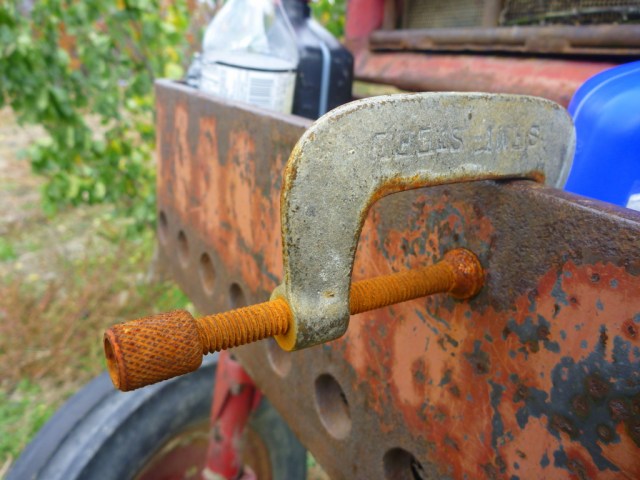
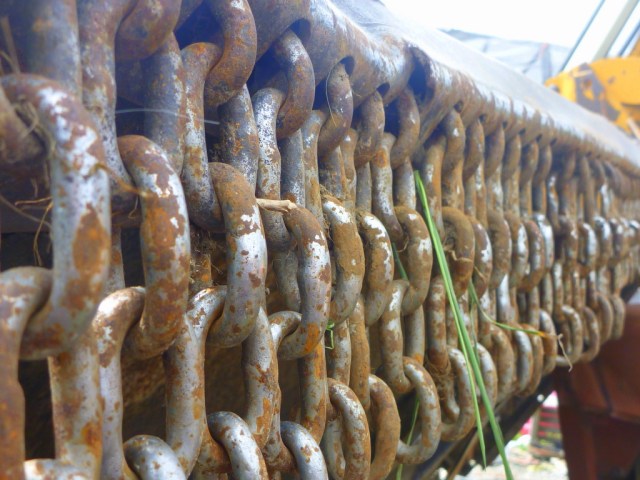
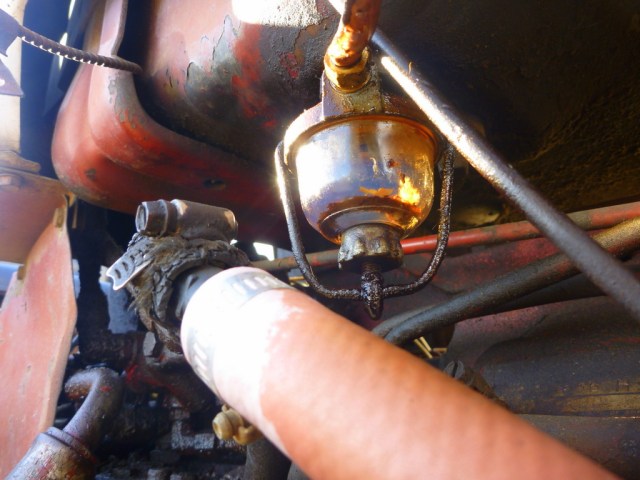
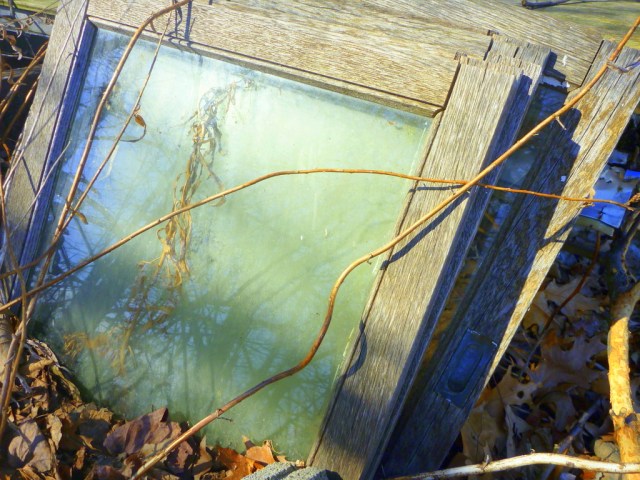
Yes, it happened again—we left a vehicle sitting for a few weeks and it turned into habitat.
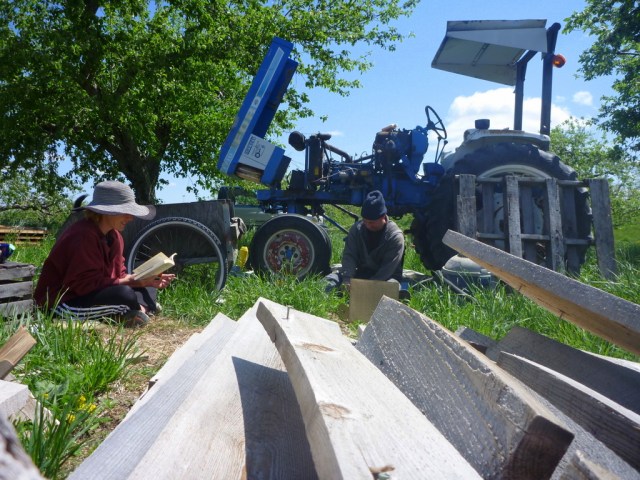
We’ve seen birds and mice and other things set up camp in various machines, including the old blue tractor and this pickup that we call George Jones. Everything is fair game.
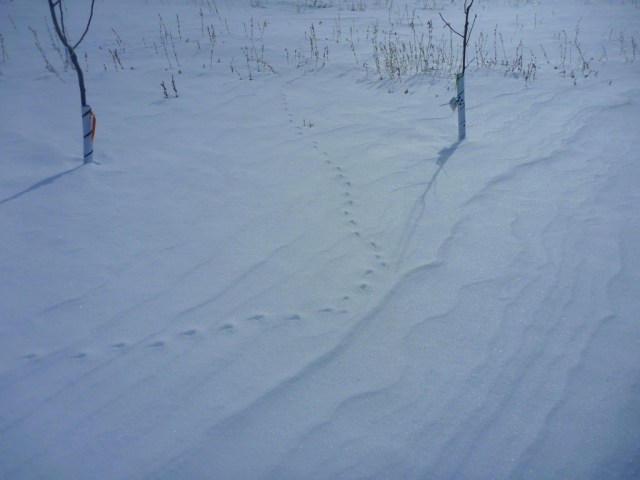
Out for a ski around the dwarf orchard. Happened upon this little fellow. How did he get here? Where was he going?
Don’t give up on him after 45 seconds, he keeps motoring!
Lifted up the camera when the bug got close. He encountered the camera’s impression in the snow, looked over the precipice, wiggled once, and plunged in. He paused inside for moment, then climbed out the other side.
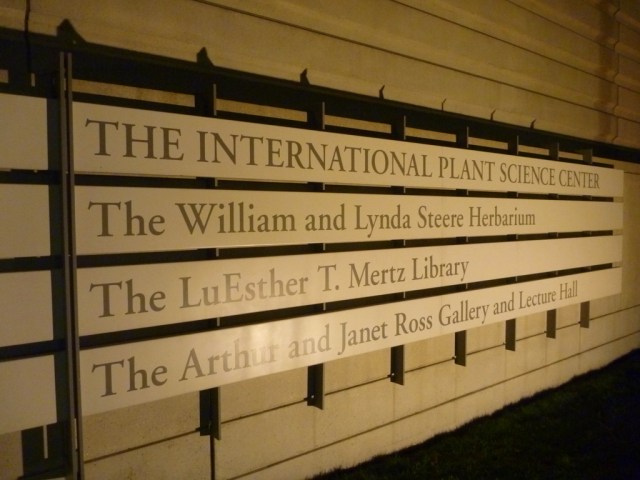
A carload of us aggies drove to the Bronx, where we approached this urban palace. We weren’t dressed for a grand entrance, so we snuck around to the side door.
It’s the headquarters of the New York Botanical Garden!
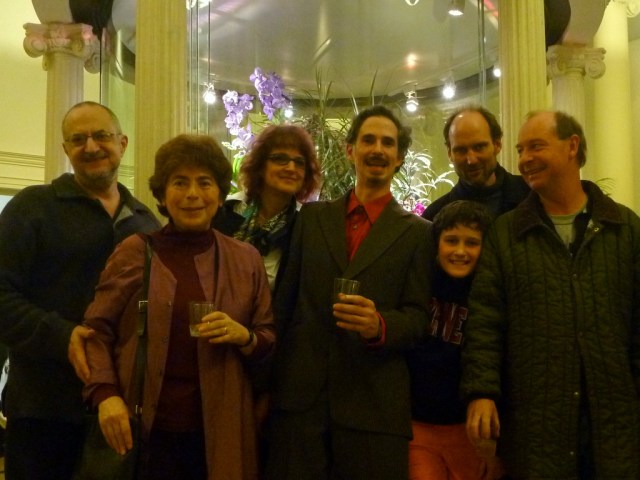
Inside we found our guy, Mitja (center). He was graduating from the School of Professional Horticulture. As valedictorian!
Mitja spent his internship at Indian Creek last year. He was all over the farm.
He helped with greenhouse work, orchard maintenance, gardening, and landscaping.
Mitja parlayed that experience into a degree, and the degree into a job! He will soon join the staff of the renowned Cornell Plantations. Congratulations, Mitja.
Determined to fit in for once, we left the manure truck on the farm and bummed our friend’s gold Benz.
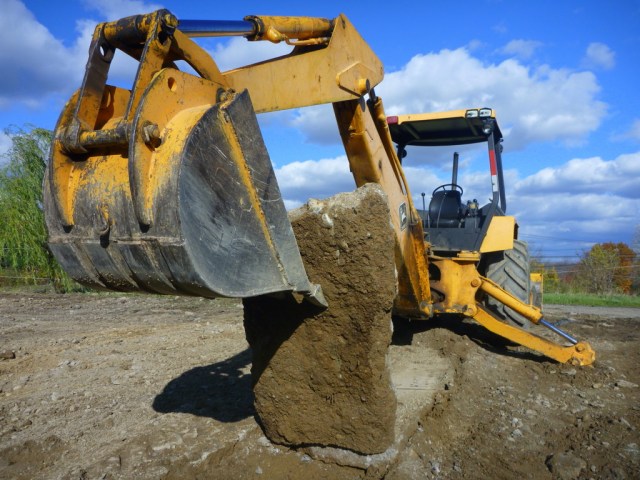
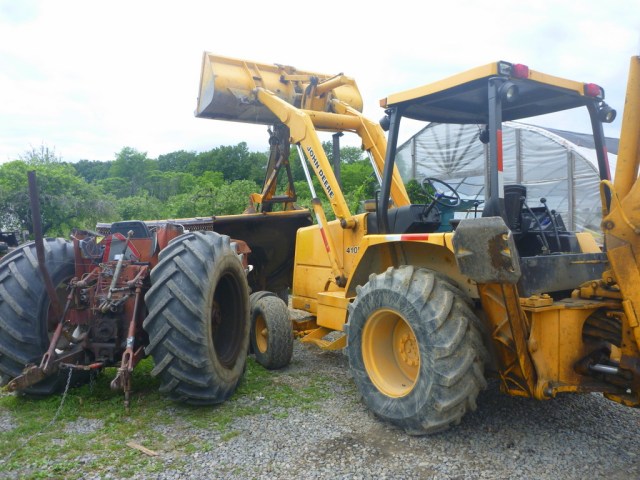
A likeable fact about the backhoe—it can be up when it is down.
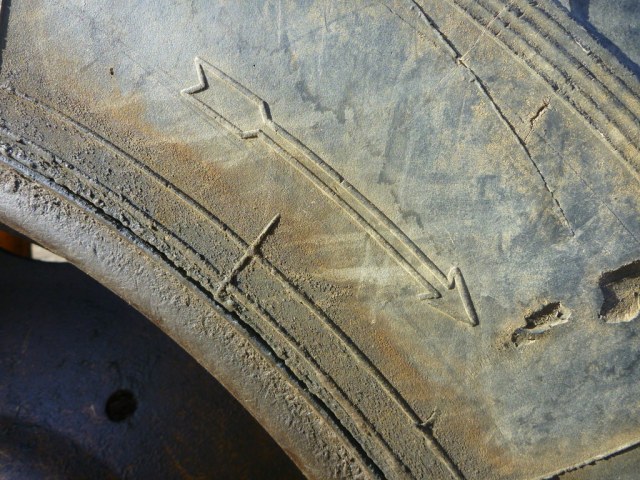
If you blow a front tire while you are working in the field, you don’t need to haul your irons and wrenches to the site. Instead, you just lift up the front end of the vehicle by lowering the loader bucket, and drive back to the farm shop in reverse. You can’t tell by looking at the video, but one of those front tires is flat as can be.
Back at the shop, you can duck the wind and rain and have a civilized go at removing the wheel. A tire this burly gets sent to a specialist, anyway, so the backhoe will be sitting around for a couple days. Better at the shop than in the crops.
It turns out that this “pop a wheelie” trick employs one of the natural motions of the backhoe for which it is engineered. You often drive this way, with the front wheels a little airborne, when you are leveling a piece of land. The loader bucket scrapes along like a “dozer” blade. So, over a reasonable distance and gentle terrain, driving back to the shop in this manner shouldn’t harm the vehicle.
But how do you steer if the front wheels aren’t touching the ground?
Two brake pedals. Your left brake stops the left rear wheel, which turns the tractor to the left; and, vice-versa with the right brake pedal. Sometimes, out of pure instinct, you will turn the steering wheel anyway. In the video, you can see our model driver spin the wheel as he goes around the bend. But the vehicle is really turning in response to his footwork on the brake pedals.
Farmer Stephen, echoing with the conventional wisdom of machine operators, likes to say that the backhoe is a jack of all trades, master of none. I call it our Swiss Farmy Knife—lots of tools in one package, portable and ever ready.
You can get better tools individually. A bulldozer will beat the backhoe at clearing, grading, and roadbuilding. An excavator will outdig the backhoe. And a pure front-end loader will outhaul and outdump it. But if you can only get one machine, it is the backhoe that will serve you most flexibly.
The backhoe is a generalist. In small organizations—the family farm being an archetype —generalists can make pivotal contributions. It is true of machines, and decidedly true of people. Specialists will always be in demand, but when you have few resources relative to the work at hand, it is a boost to have folks who can switch gears fluidly. In society at large, even as disciplines grow increasingly specialized, we are seeing a surge in the perceived value of generalists.
Are you a generalist or a specialist? When you get a mental flat, how do you haul yourself back to the shop?
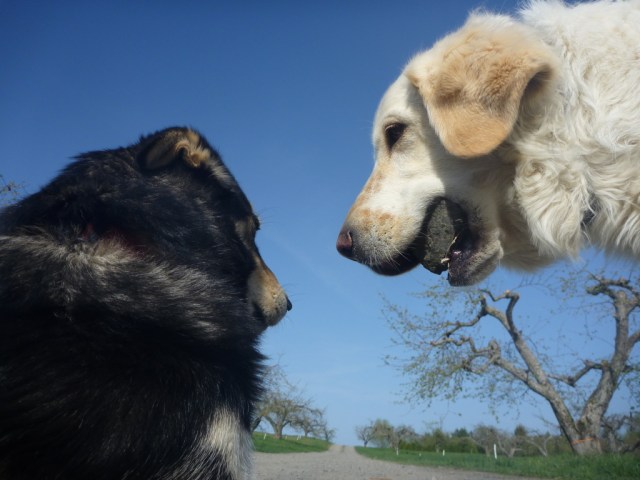
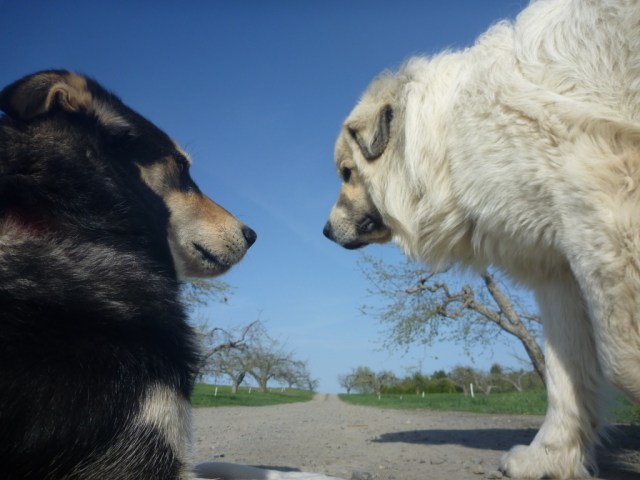
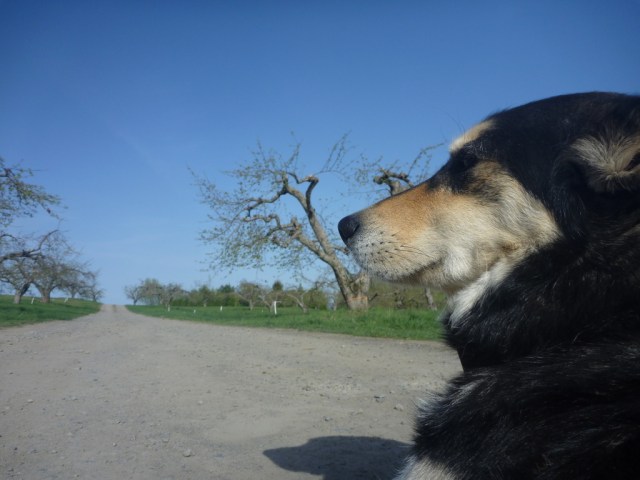
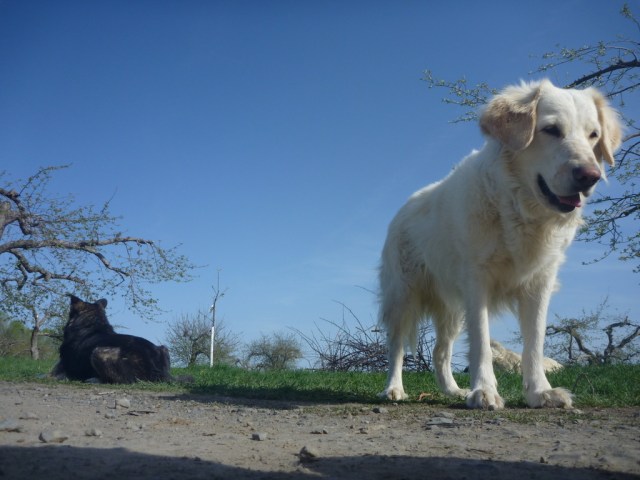
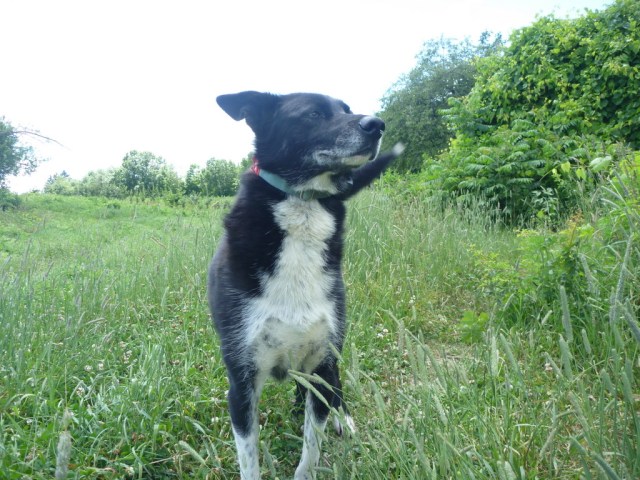
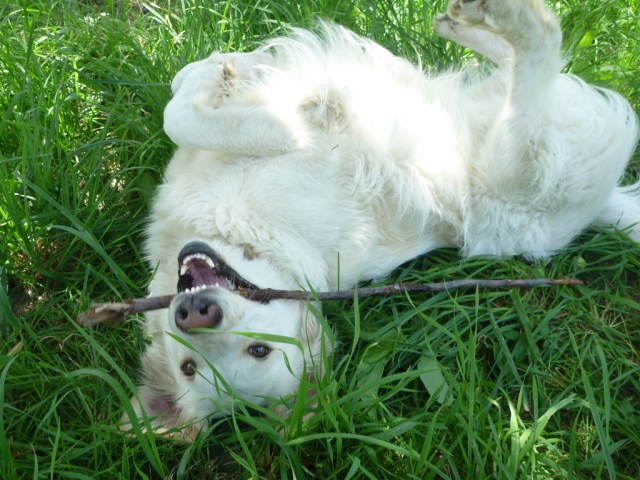
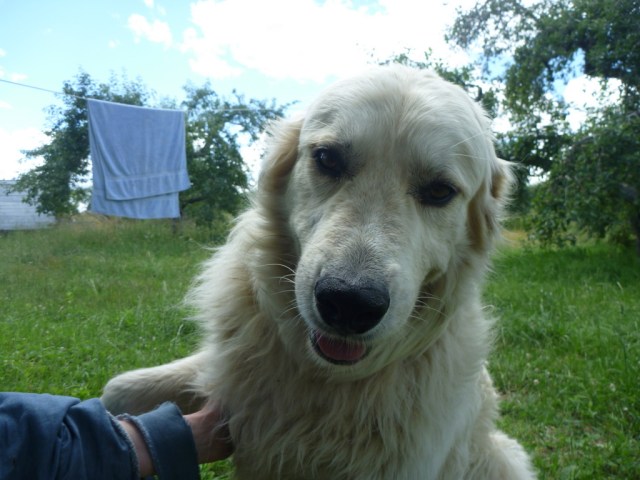
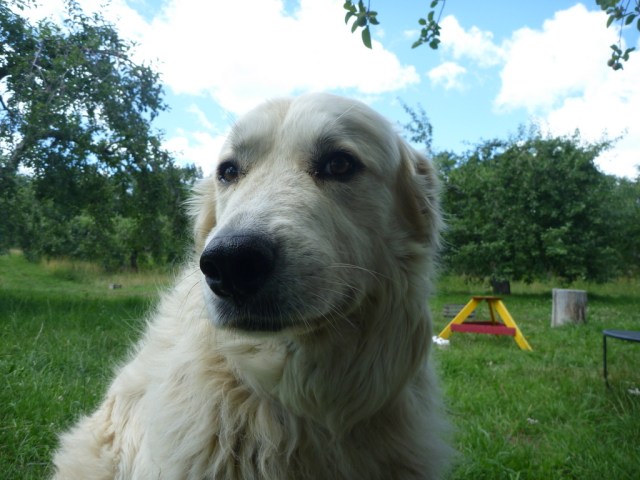
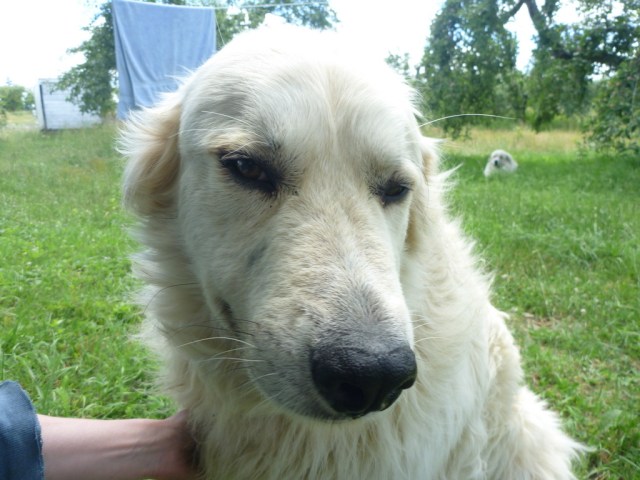
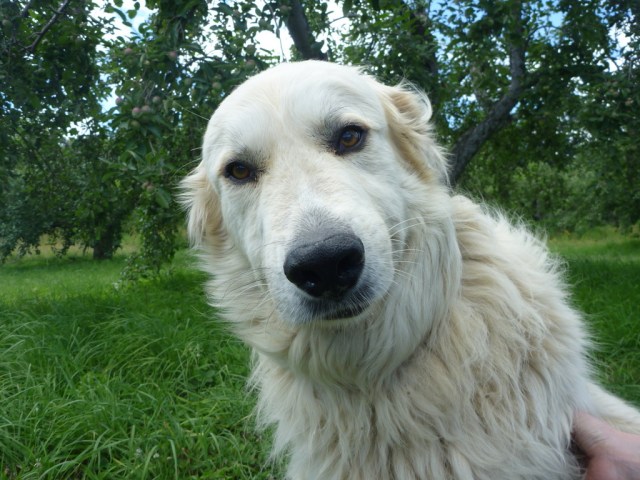
Balto is a fine specimen of priss. The finest in the land.
He won’t sneak off with your slippers; roll in a skunky carcass; steal the cat’s dinner; or otherwise break farm rules. He is solicitous and respectful, submissive yet protective. He’ll trot forth on cue, run fast when we ski—16 miles in one session, at a full gallop in two feet of snow—and always rejoin the posse after a sally of advance scouting.
He is a good dog. If there were a dog rebellion, he very well might side with the humans. Balto is that kind of good.
And he knows it. He would like readers everywhere to recognize his A+ efforts. It is no surprise that he has been called Teacher’s Pet, but that overlooks his essential complexity. After all, being good—and being aware that one is being good—can be a heavy burden.
Self-consciousness can lead to stasis as surely as self-awareness can lead to growth. Poor Balto, it is hard being good.
Which is why we might take such delight in his impromptu video stunt, even as he frustrated my attempt to film the real star of the show, the chisel plow.
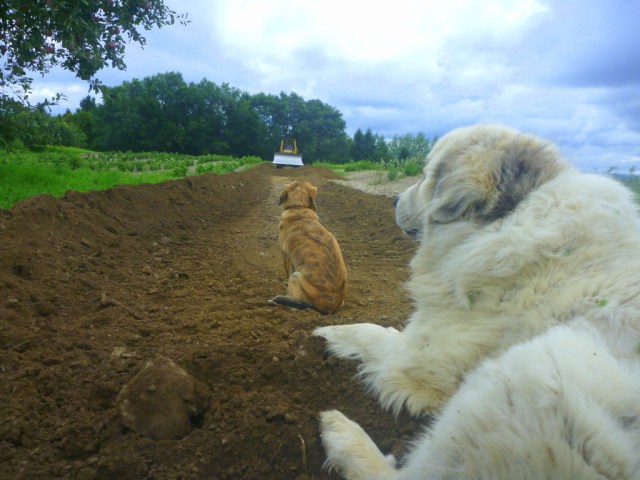
That morning Balto had sensed my eagerness to watch the field being chiseled for the first time. When I jogged up to see the big iron at work, he sidekicked up the hill. Together we got in position to film. (Good dog.) But after a few seconds of action, Balto derailed the program with his signature nudge. First nose, then paw, then nose again. A wag, seen fleetingly at 12 seconds, seemed to say, “Maybe I could do this improv thing.”
For once Balto colored outside the lines. He let it all hang out, setting decorum aside.
Impish moments like this, rare enough to be surprising, reveal Balto’s inner humanity, for lack of a better word. It is refreshing to see impishness in people and animals—a sparkle in the eye and a flash of mischief. Imagine the Wee Folk in old Irish tales, though Balto might fancy himself some other brand of imp. He is mute on the subject.
I wonder if mischievousness in dogs is a symptom of their long coevolution with people, picked up from us primates around the proverbial campfire.
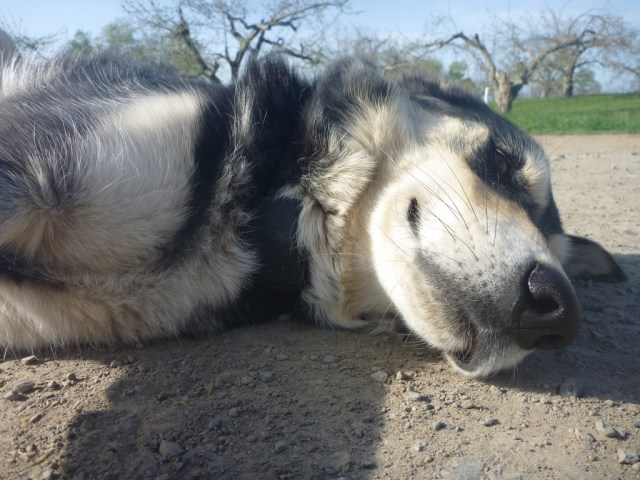
In any case, for all the above reasons—priggishness and impishness, confidence and diffidence—we love Balto. We should note for the record, however, that despite the praise he garners day to day, he lives simultaneously under a cloud of suspicion. Farmer Stephen accuses Balto of malingering while the other dogs are out working. It is hard to prove. After all, the complex mind can be fully engaged while the body lies in apparent repose. When you are thinking, you are working.





































 Indian Creek Farm